
Dermatological conditions that commonly affect the scalp include: Seborrhoeic Dermatitis and Scalp Psoriasis.

Common scalp problems
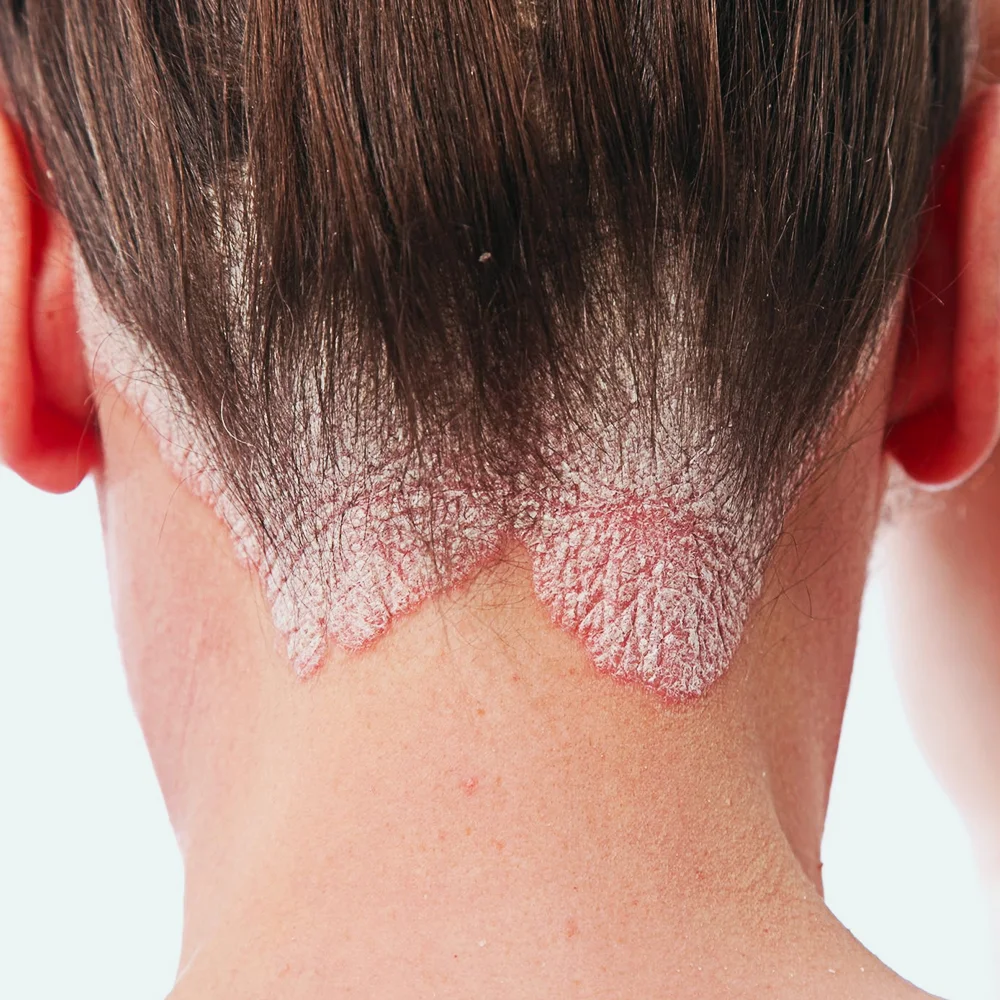
Itchy scalp and dandruff are common scalp ailments.
These symptoms are due to a condition called SEBORRHOEIC DERMATITIS.
This condition tends to affect oily parts of the skin such as the scalp, mid-face and the chest.
This condition tends to start during puberty or early adulthood, when the skin starts to become more oily. Apart from itchy scalp and dandruff, sufferers may also experience redness and flaking along the eyebrows and sides of the nose.
This condition can be effectively treated with the following:
- Medicated shampoos ( containing: selenium sulphide or ketoconazole )
- Daily washing of hair – as this removes excess oils
- Medicated lotions/ creams
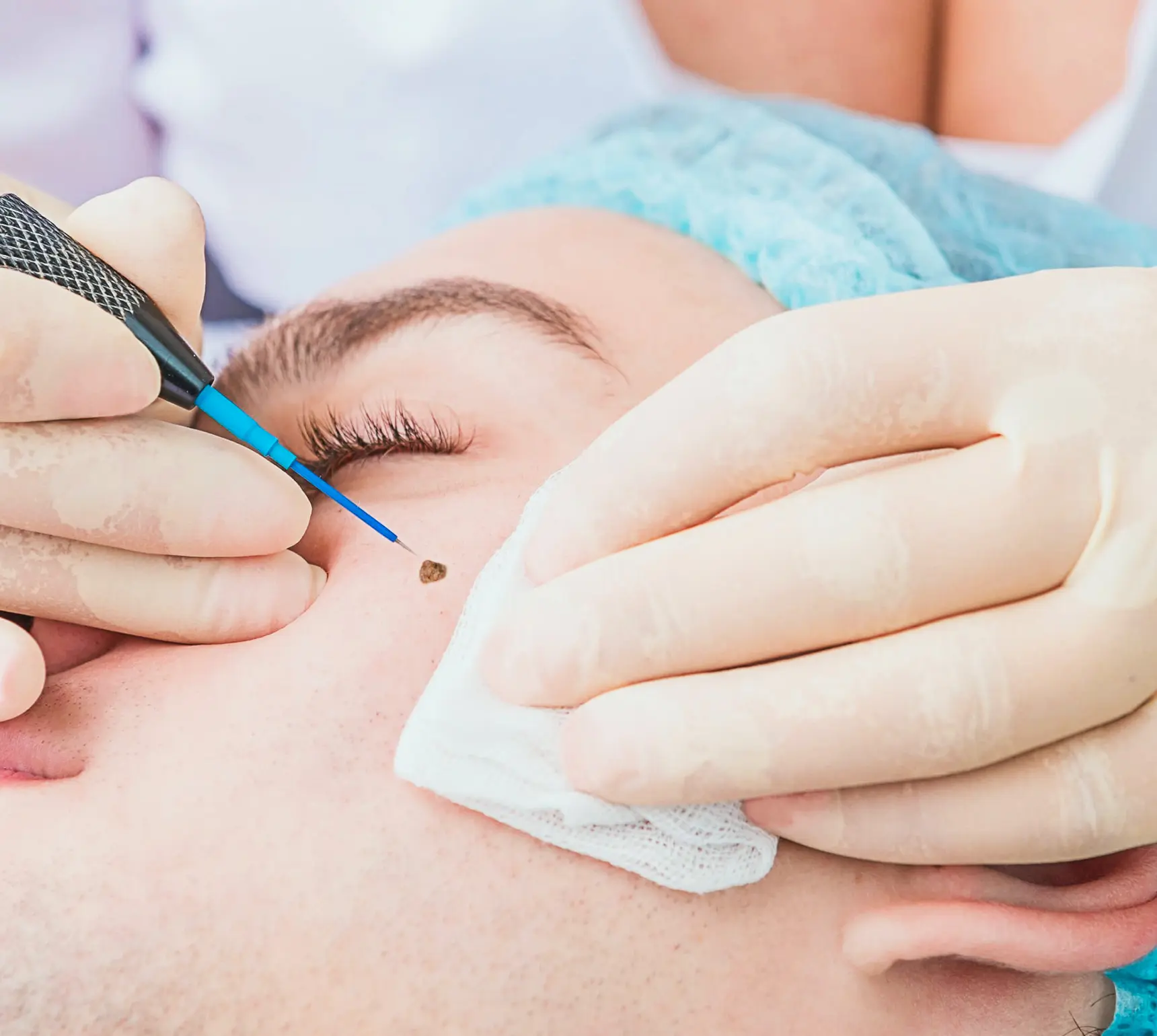
Removal of skin growths, moles, lumps and bumps
Skin growths may be removed using a variety of methods
- Laser
- Electrosurgery
- Cold steel surgery
In general, small, superficial skin growths like skin tags, warts, seborrhoeic keratoses and small moles can be removed using Laser or Electrosurgery. Prior to the procedure, the skin can be numbed using a numbing cream. Recovery usually takes 5-7 days.
Cold steel surgery is the preferred method when we wish to remove large moles, or lumps growing under the skin such as cysts, dermatofibromas and lipomas( benign fatty tumours). This procedure is done under local anaesthesia. After the skin is anaesthetised, the doctor cuts out the skin lesion, and then stitches up the wound. Recovery usually takes 1- 2 weeks.

Intralesional Steroid Injections
Intralesional steroid injection is an effective treatment for dermatological problems such as:
- Keloids/ Hypertrophic scars
- Alopecia Areata
- Picker’s nodules/ Prurigonodules
- Inflamed acne cysts
It is a safe, quick, in-clinic treatment which is associated with minimal discomfort.

Common benign skin growths
Common benign skin growths include: Seborrhoeic keratoses, Sebaceous hyperplasias, Skin tags, Milia and Syringomas.
These skin growths present as little bumps or rough spots and they may grow slowly over time.
In general, these skin growths are harmless and can be treated conservatively. Treatment/ Removal may be desired if they are deemed to be cosmetically displeasing, or if they are causing itch or discomfort.
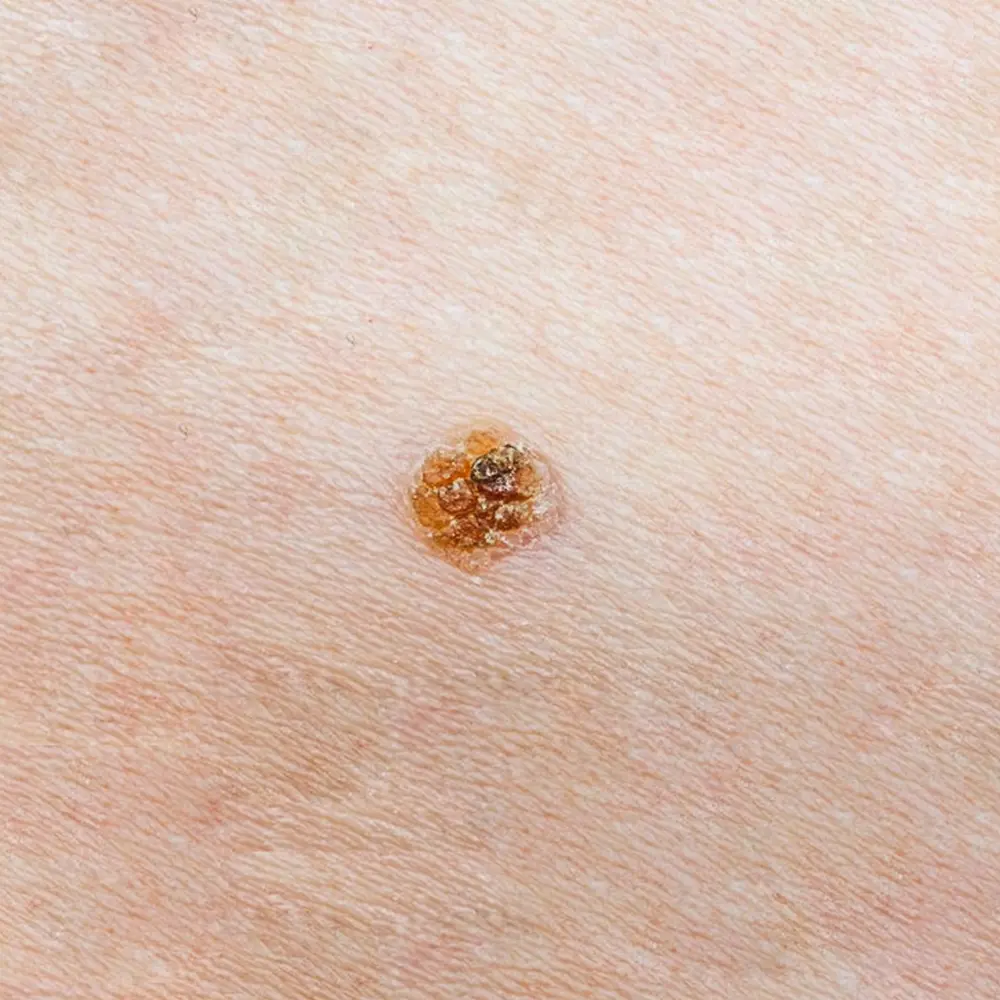
Seborrhoeic keratosis
Seborrhoeic keratoses usually present as brown spots or brown bumps on the face. They can also occur on the neck or body. They usually start developing around middle age. They can be flat or raised, and may increase in size slowly. Sometimes, they can resemble viral warts. These growths can be removed by cryotherapy, electrocautery or lasers.
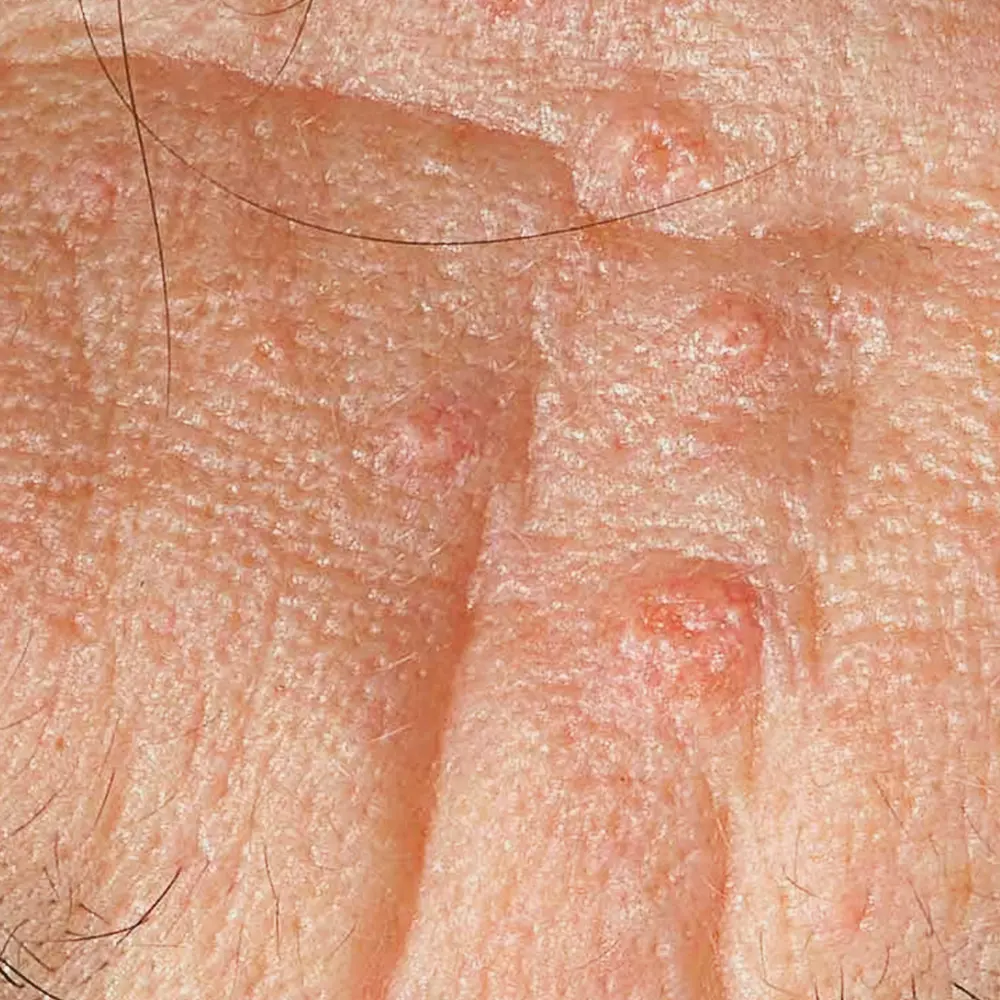
Sebaceous hyperplasia
Sebaceous hyperplasias are caused by overgrowth of sebaceous glands. They present as yellowish/orangy bumps on the face, especially over the cheeks and forehead. They can be removed via electrocautery or lasers.
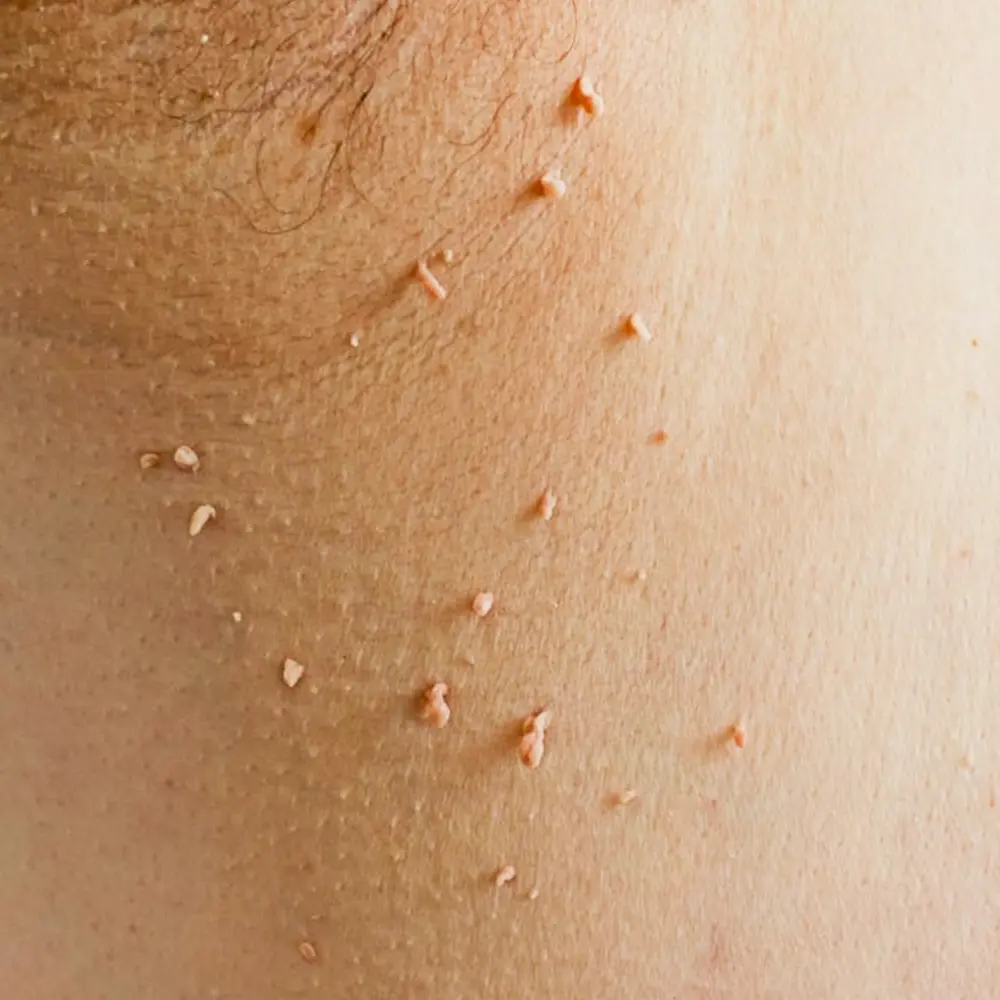
Skin tag
Skin tags are little extra outgrowths of skin. They typically appear on the neck and underarms. There seems to be a genetic predisposition towards developing such skin lesions, as they often run in families. With time, skin tags can grow and “hang” off the skin like little grapes. Skin tags can be removed with electrocautery or lasers.
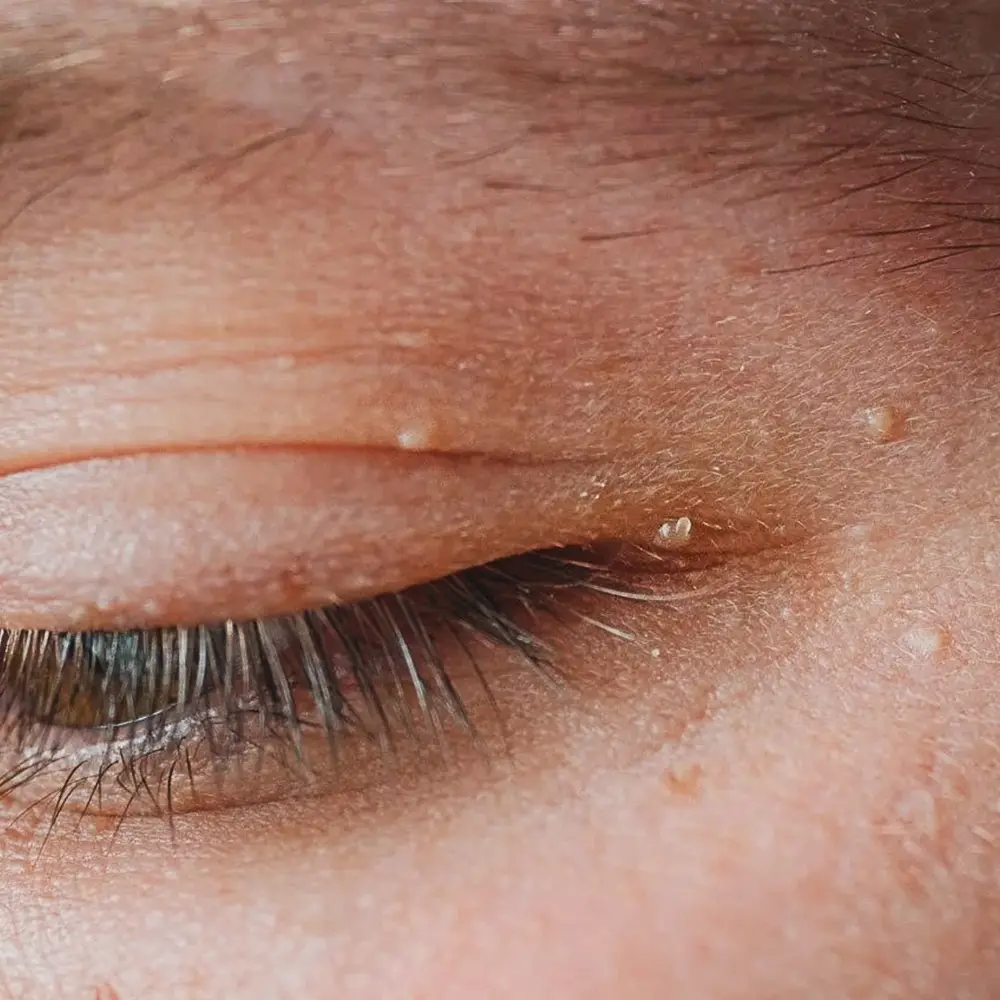
Milia
Milia are tiny epidermal cysts which occur on the face. They typically have a white, smooth and round appearance. Most small milias can be “extracted” or removed using electrocautery or lasers.
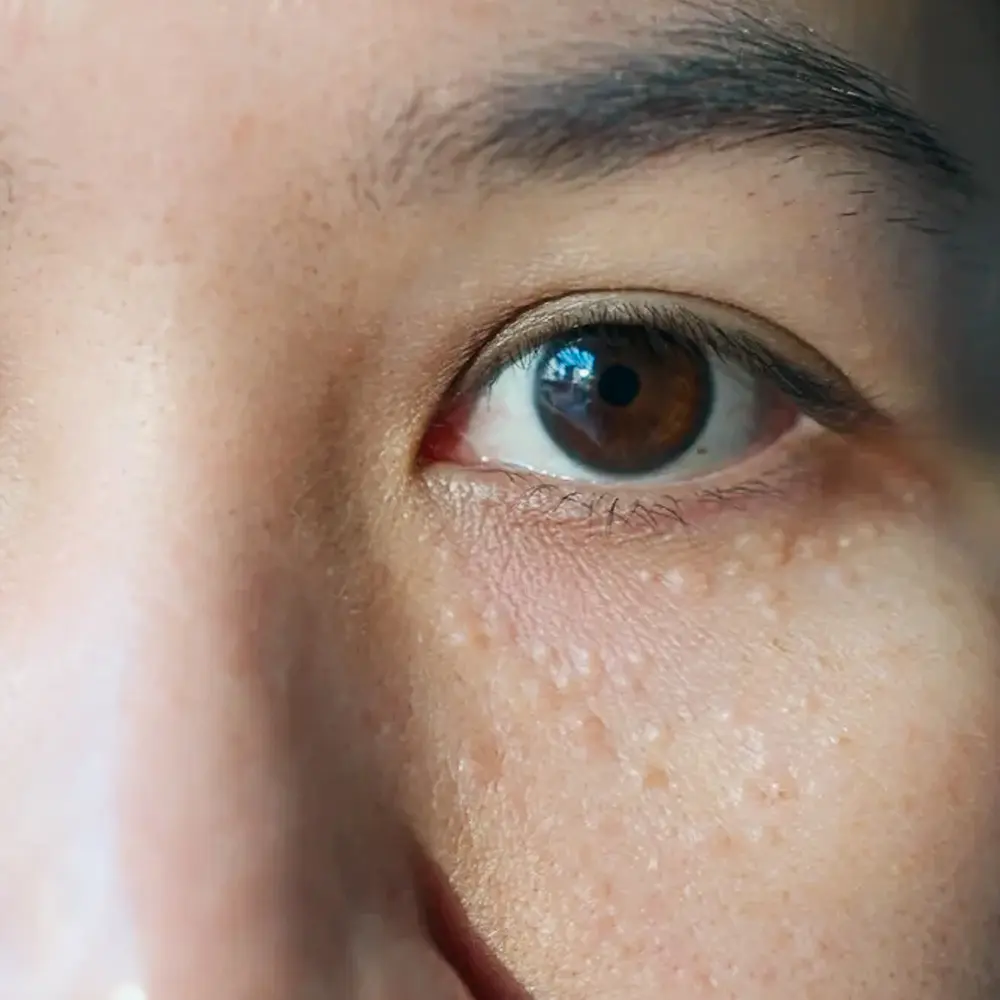
Syringomas
Syringomas are benign sweat gland tumours. They tend to develop near the lower eyelids, and present as small, subcentimeric translucent round bumps. This condition is often hereditary-it tends to run in the family. They start to grow during early adulthood around the 20s-30s. They can be removed via electrocautery or lasers.

What is cryotherapy?
Cryotherapy
Cryotherapy refers to the use of extreme cold to freeze/ remove abnormal/ unhealthy tissue.
It is a quick, in-clinic treatment.
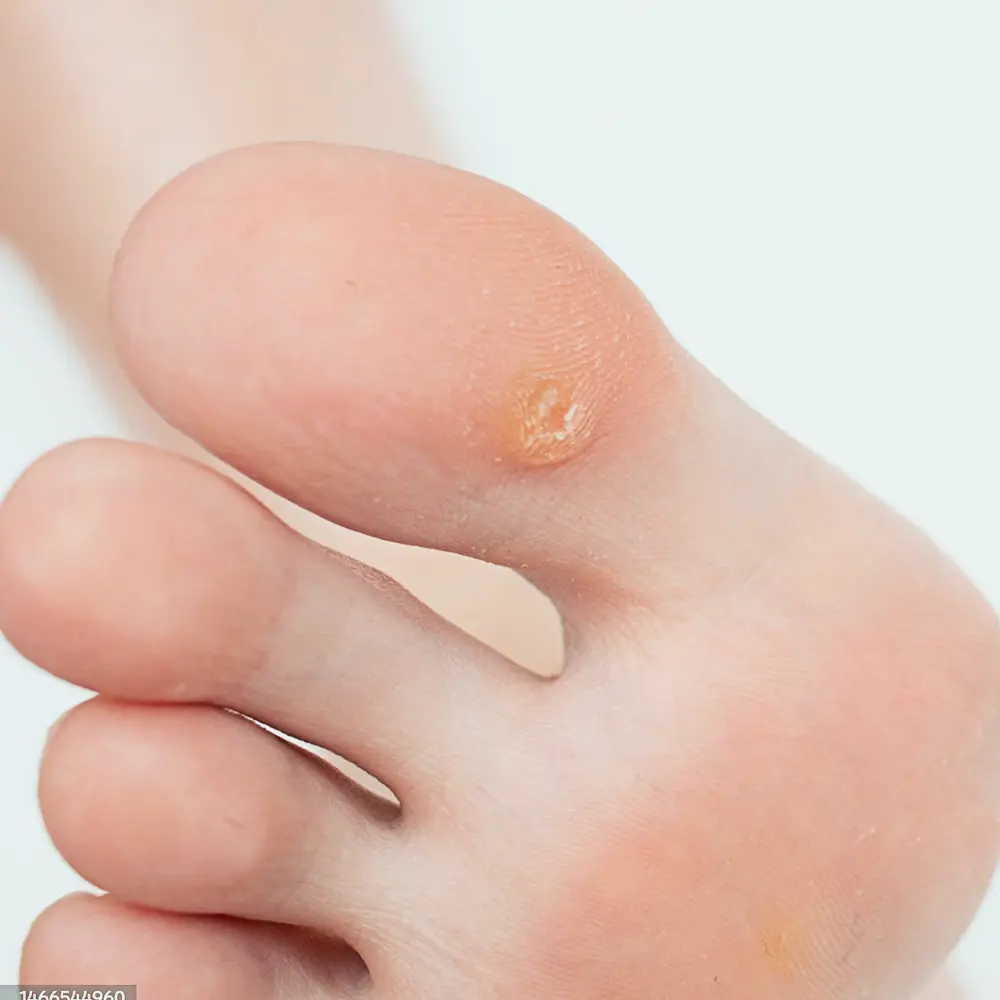
What skin conditions can be treated with cryotherapy?
Cryotherapy is most commonly used to remove viral warts and corns.
It can also be used to treat superficial benign skin growths such as seborrhoeic keratosis and solar keratosis. It is also a treatment option for precancerous skin conditions such as Bowen’s disease, as well as superficial basal cell cancers.
What can I expect during a cryotherapy session?
Cryotherapy involves the application of liquid nitrogen to the skin lesion. The liquid nitrogen may be applied from a spray canister or from a cotton stick. As liquid nitrogen is very cold, the treatment is mildly uncomfortable but the discomfort lasts for only a few seconds.
The treatment may need to be repeated again after a rest of 2 weeks. To remove a large, thick viral wart, 3-4 cryotherapy sessions may be needed.

What can I expect after a cryotherapy session?
The treated area may appear slightly red on the day of the treatment.
The treated area often develops into a scab after a few days and this will peel off.
Rarely, blisters may occur.
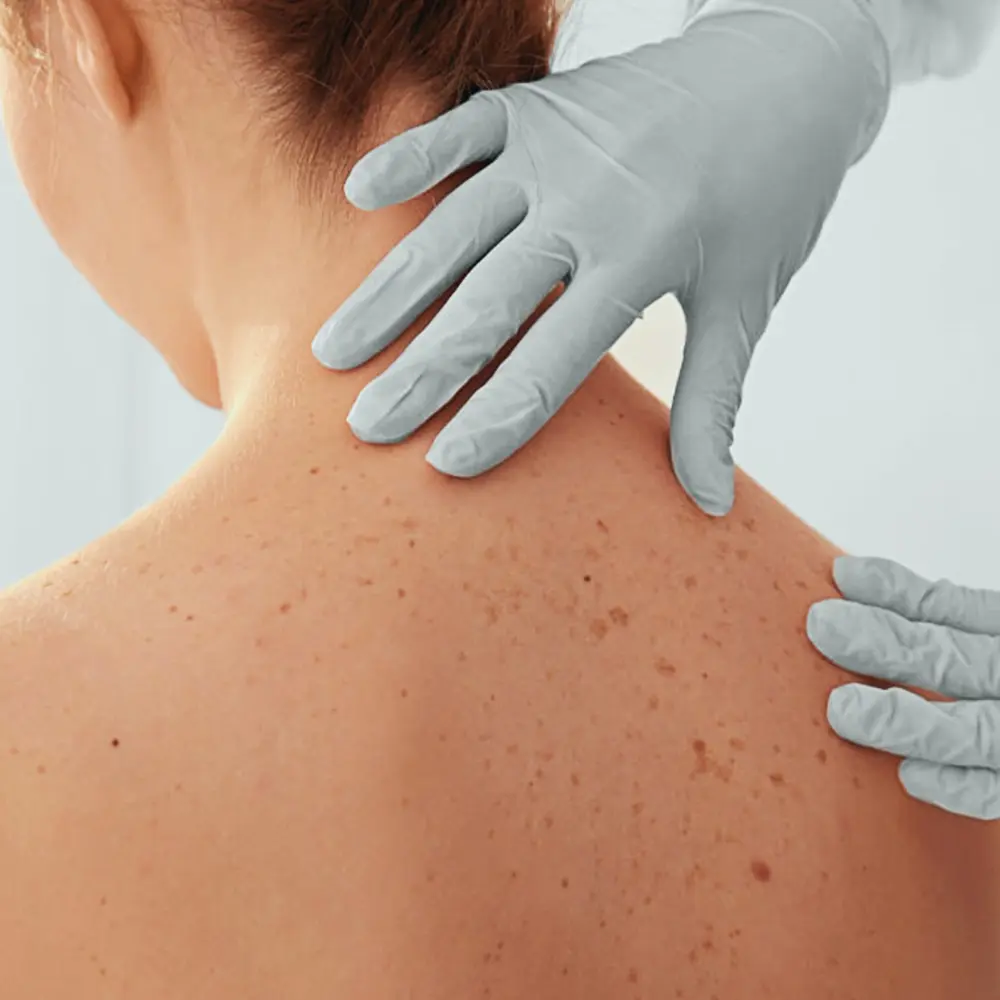
Are you concerned that you have a rash that may be triggered by an allergy?
Allergy Assessment / Allergy testing
Allergic skin reactions can be broadly divided into 2 types:
- Immediate skin reactions – which typically presents with hives, angioedema
- Delayed skin reactions – which can trigger different types of rashes eg eczema/ maculopapular rash/ blistering eruption
Immediate reactions tend to develop very quickly, within minutes or hours after the body encounters the allergen. In severe cases, anaphylaxis may develop.
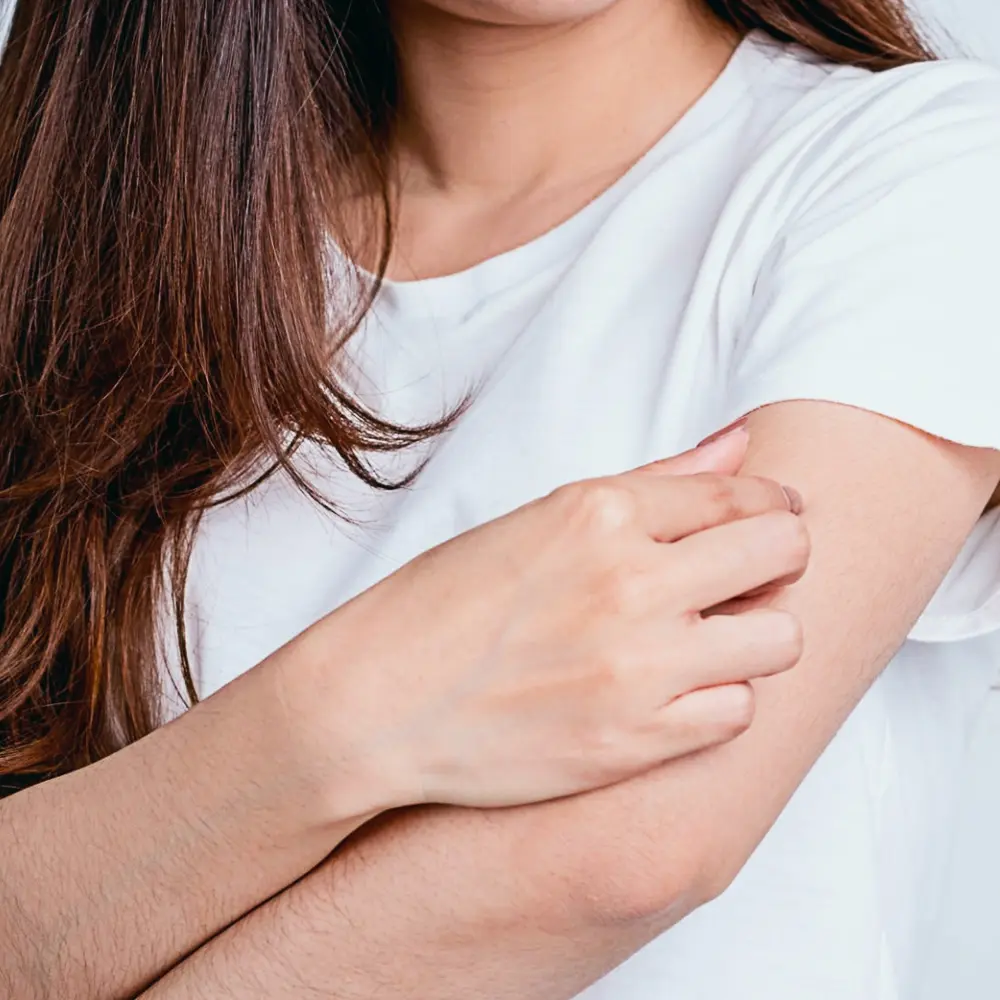
Allergens that are well known to trigger immediate skin reactions include:
- Aeroallergens (allergens found in the air) eg: dust mites, animal fur, pollen
- Food allergens eg: eggs, cow’s milk, peanut, shellfish
- Drugs/ Medications
Delayed skin reactions can present in a myriad of patterns eg: eczema, maculopapular rash, or rarely a blistering skin eruption. The rash typically occurs many hours or days after exposure to the allergen.
Allergens that are well known to trigger delayed skin reactions include:
- Contact allergens eg fragrance, rubber, certain preservatives, permanent hair dye, metals
- Drugs / Medications
- Food allergens- less common
The most important part of an allergy assessment is the doctor taking a detailed medical history. A good medical history is often all that is required to confirm or rule out an allergy.
Allergy testing may be recommended if the history is inconclusive and/ or your doctor suspects an allergy. There are different types of allergy tests available and your doctor will recommend the most suitable test depending on what type of allergy you are suspected to have.
Types of allergy testing: Blood test / Skin Prick test / Skin Patch test / Challenge

Skin biopsy
A skin biopsy is a simple, in-clinic procedure whereby your dermatologist takes a small skin sample from the affected area. This is performed under local anaesthesia, under sterile conditions. Some stitches may be required to close the small wound after the biopsy. The skin sample is then sent for analysis/ histological examination.
A skin biopsy is a diagnostic test which may be necessary under the following circumstances:
- Suspected skin cancer
- Unusual rash whereby a diagnosis needs to be established —eg suspected autoimmune skin disease, suspected cutaneous lymphoma

Who needs a skin check/ mole check?
Skin check / Mole Check
A skin check/ mole check is highly recommended in the following situations:
- If you have a mole/ spot on the skin that developed recently and looks unusual
- If you have an existing mole or spot that seems to have changed in colour/ shape/ size/texture or is bleeding
- If you previously had a skin cancer
- If you have a family history of skin cancer
- If you are fair-skinned- it is recommended for fair-skinned adults to get a skin check with a dermatologist once a year
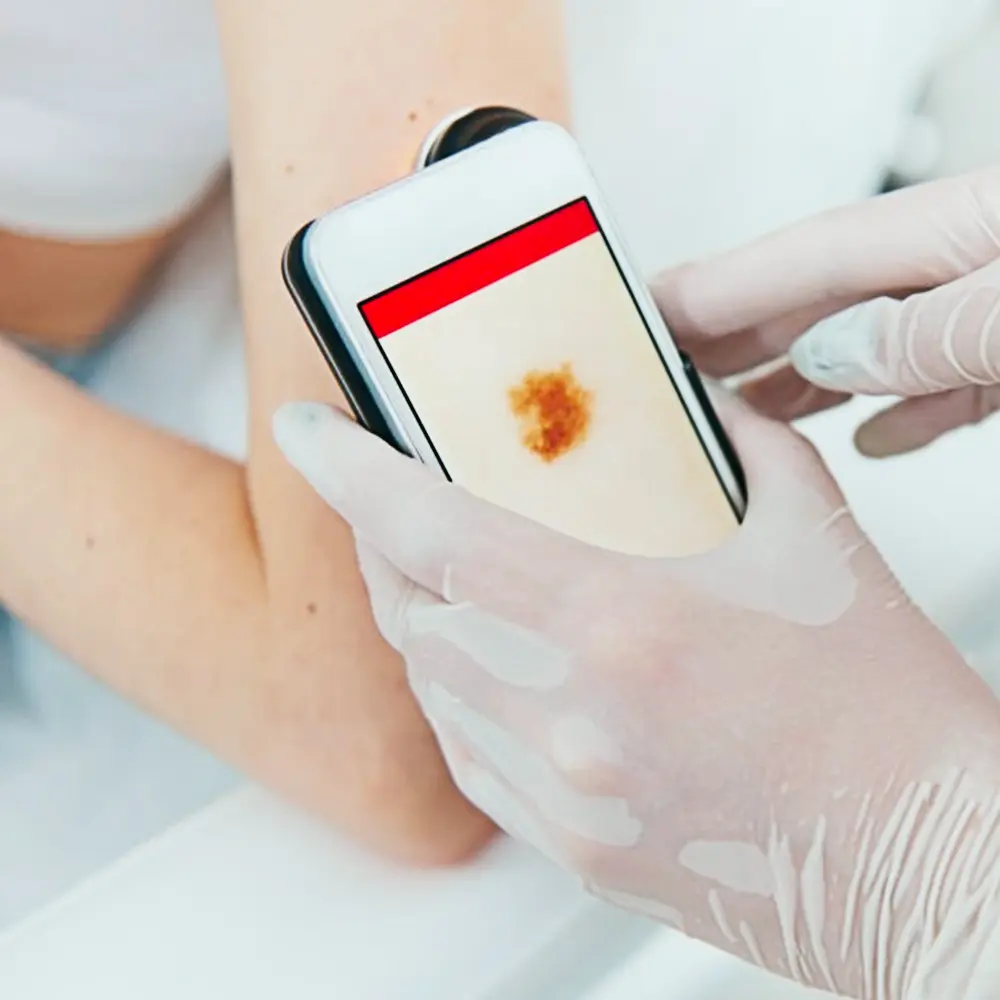
What happens during a Skin check/ Mole check?
The doctor will ask you about your past medical history, past dermatological history.
The dermatologist will carefully and systematically examine your moles/ spots from head to toe.
The dermatologist will use an instrument called a Dermoscope to assist with detailed analysis/ examination of the skin.
Photography of any moles/ spots that require monitering may be done, with your permission, and kept in your medical records.
Should any suspicious looking moles or spots be identified during the skin check, the dermatologist will discuss the next course of action, which is usually a skin biopsy.
What is Neuromuscular relaxant?
Neuromodulator / Neuromuscular relaxant injections
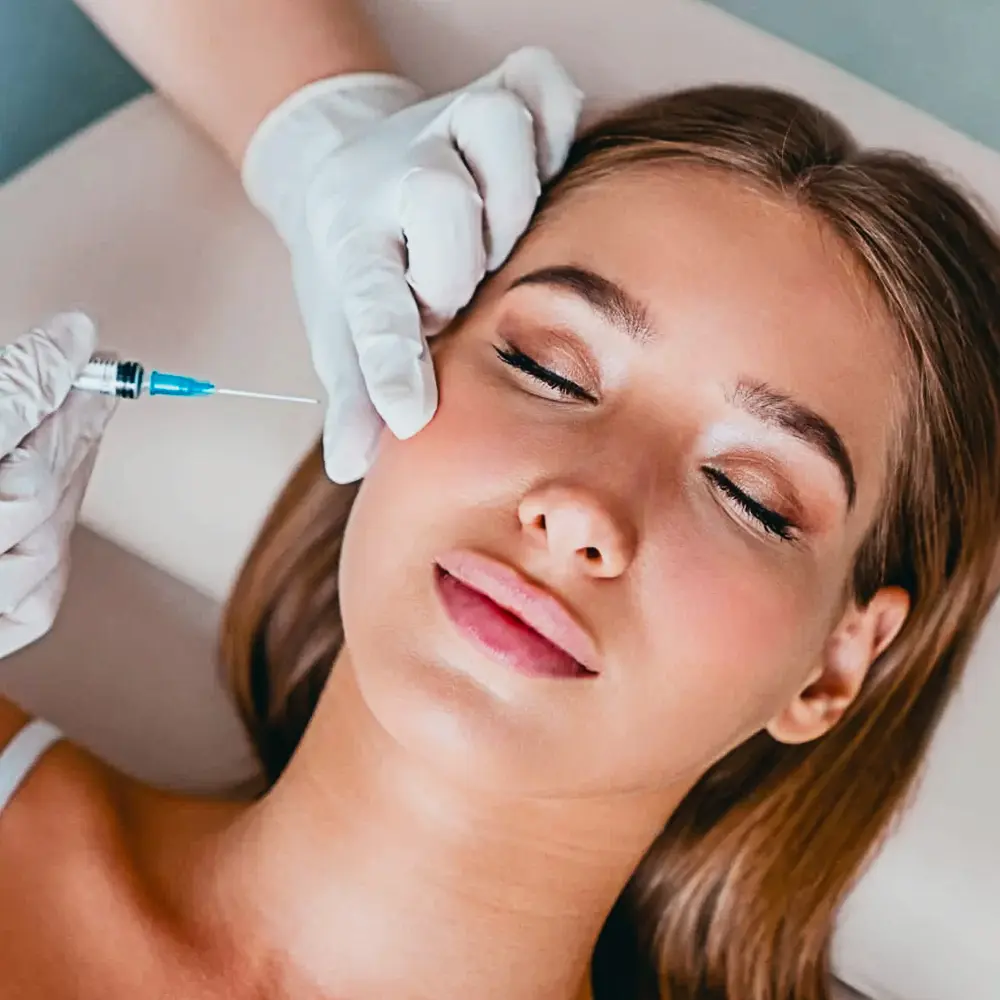
Neuromuscular relaxant is a natural purified protein that relaxes muscles that form wrinkles, creating a younger appearance. The active ingredient is derived from bacteria in much the same way penicillin is derived from mould. It is manufactured in sterile conditions.
How does Neuromuscular relaxant treatment work?
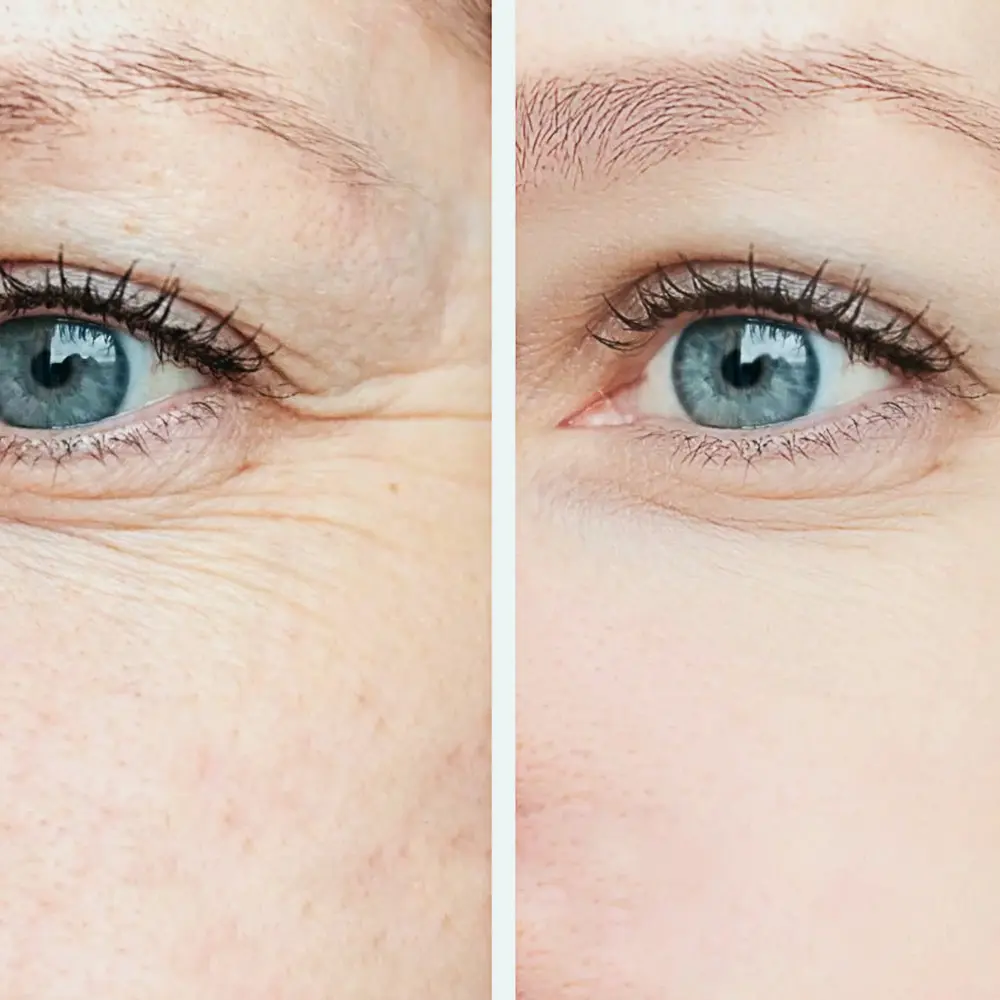
When we make facial expressions like smile or frown, the movement of certain facial muscles result in the appearance of wrinkles. The wrinkles that form during facial expressions are called dynamic wrinkles. Neuromuscular relaxant can be used to relax specific facial muscles. Once these muscles are relaxed, these dynamic wrinkles do not form and new lines are also prevented from developing. Neuromuscular relaxant is very effective for: Frown lines and forehead wrinkles; crow’s feet (smile lines around the eyes); bunny lines(nasal scrunch), facial contouring(square jaw).

Will I still be able to make facial expression?
Will my face look unnatural and paralyzed?
You will still be able to make facial expression, and look natural. The only difference is that the lines are smoothened.
What does Neuromuscular relaxant treatment involve?
A small amount of Neuromuscular relaxant is administered into selected facial muscles by a trained doctor using a very fine needle. Generally, a treatment takes about 10-20 minutes. Discomfort is usually minimal and no prior anaesthesia is required. Within 3-7 days, you will notice a softening in the appearance of your frown lines.

What are the possible side effects?
The side effects from Neuromuscular relaxant are generally minor and temporary. It is common to have slight redness, swelling and bruising over the injection points. These effects will usually go away within 1-2 days.

How long does Neuromuscular relaxant last?
The effect from Neuromuscular relaxant usually lasts for about 4 months before the lines slowly begin to return.

Other uses for Neuromuscular relaxant
Neuromuscular relaxant can also be used to achieve a slimmer-looking, V-shaped facial contour, as well as treatment of sweaty palms and sweaty underarms.

Dermalux LED Phototherapy
Dermalux LED Phototherpay is a non-invasive, painless treatment that uses clinically proven therapeutic light energy to trigger the skins natural rejuvenation and repair processes without downtime.
Dermalux uses unique combinations of clinically proven Blue, Red and Near Infrared wavelengths to boost collagen production, calm redness and irritation and destroy acne causing bacteria. As the light triggers a cascade of skin enhancing processes, the benefits continue even after the treatment has finished.
Each treatment lasts up to 30 minutes. No numbing cream is required.